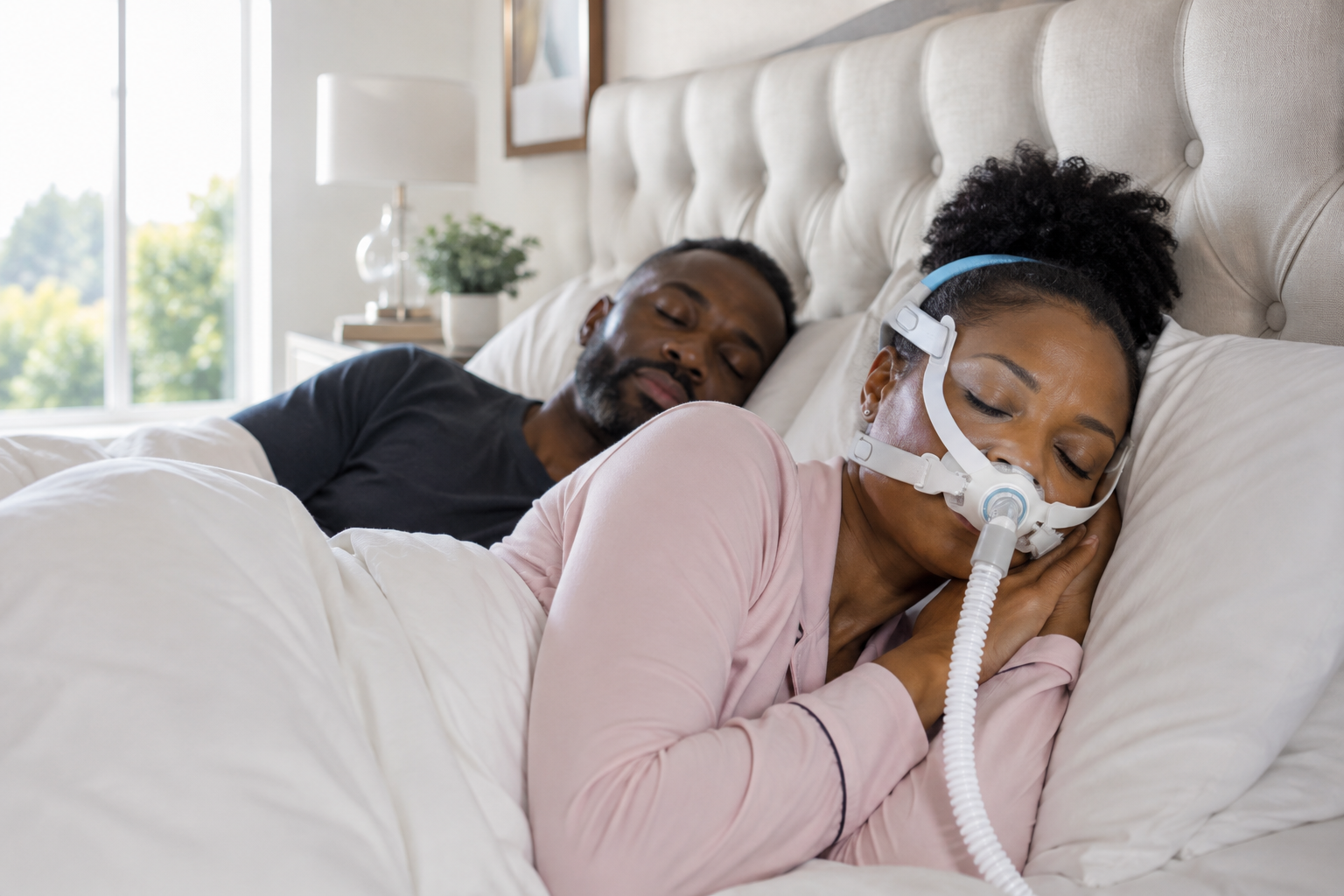
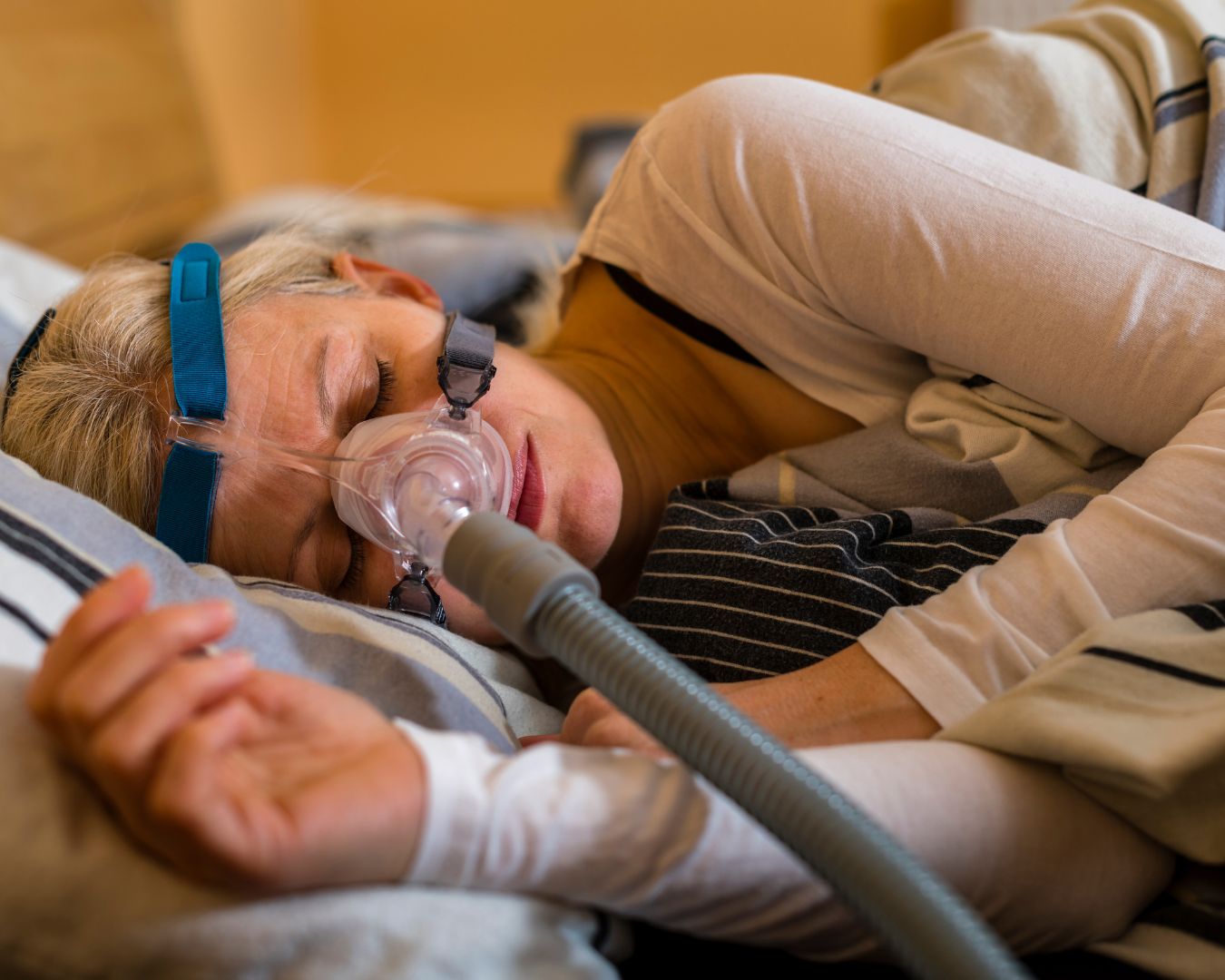
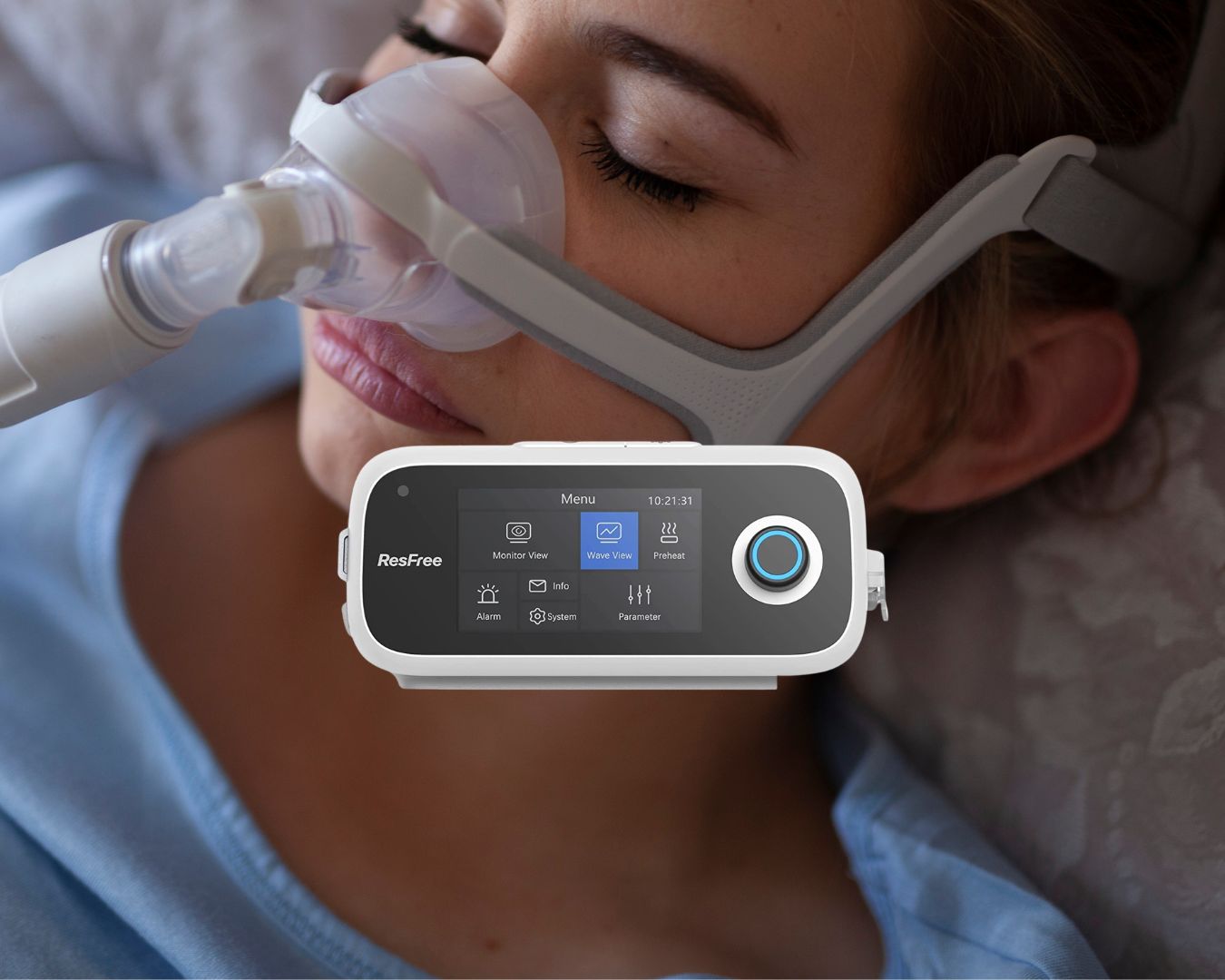
A price tag shows what a CPAP machine costs on the day you buy it. It does not show what the machine can cost your health in the months that follow. A CPAP, APAP or BiPAP machine is a medical device, and a machine sold at a price well below the market, from a source nobody has verified, can carry dangers that are easy to miss at checkout.
This article sets out five of those dangers and what the research says about each one.
What do CPAP, APAP and BiPAP machines do?
A CPAP machine keeps your airway open by providing a stream of air at a continuous pressure through a mask. A BiPAP machine uses a higher pressure when you breathe in and a lower pressure when you breathe out. An APAP machine adjusts its pressure automatically. All three are used to treat obstructive sleep apnoea, a condition where the airway becomes blocked during sleep and breathing stops and starts.
Danger 1: Sleep apnea can stay untreated.
The National Heart, Lung, and Blood Institute in the United States reports that sleep apnea has been associated with an increased risk of high blood pressure, heart attack, stroke, obesity, diabetes and glaucoma. The American Heart Association states that obstructive sleep apnea has been linked to higher rates of hypertension, stroke and coronary artery disease.
The institute describes devices that deliver air pressure through a mask as an effective treatment for the widest range of sleep apnea cases. This means that the treatment only works when the device does its job. A machine that delivers the wrong therapy leaves the condition in place while the user believes it is being treated.
Danger 2: The pressure may be wrong for you.
Every patient's pressure setting is unique. SleepApnea.org states that a machine set to the wrong pressure can make treatment ineffective or unsafe. CPAP.com explains that a sleep apnea specialist determines the pressure from the severity of the condition and the anatomy of the patient, so using someone else's machine may leave you with a pressure that does not suit you.
Researchers in the United States who studied secondhand CPAP machines advertised online made the same point. They wrote that a secondhand machine may deliver a pressure that is too low to be effective, or a pressure that is too high, which can lead to discomfort or even central sleep apnea events.
Danger 3: The machine may carry contamination.
CPAP machines move air, and often humidified air, through a chamber, a tube and a mask. SleepApnea.org states that without professional sanitisation, used machines may harbour bacteria, mould or viruses that can lead to infection or respiratory irritation. The Sleep Doctor guide adds that it is difficult to sanitise the internal parts of a machine, which may have mineral build-up, pathogens, mould or allergens from a previous owner.
Refurbished machines from authorised sellers follow a different process. They are examined, cleaned and tested, and worn parts are replaced.
Danger 4: Therapy can fail without a warning.
A recall in the United States shows how this can happen. In February 2023, a global manufacturer recalled 1,088 reworked CPAP and BiPAP devices after some were assigned incorrect or duplicate serial numbers during initial programming. The US Food and Drug Administration reported that this could cause therapy to be delivered with the wrong prescription or factory default settings, or with no therapy at all. The FDA stated that the user receives no warning or indication that the machine is not working as prescribed, and it classified the recall as Class I, its most serious type.
The notice told users to contact their provider to arrange a pressure reset or a replacement. A person who bought a machine from an unknown source may have no provider to call. The US researchers mentioned above noted that buyers of secondhand machines may go without education on proper use, cleaning, troubleshooting, warranty claims and manufacturer recalls.
Danger 5: Medical guidance is missing.
SleepApnea.org states that buying through informal channels bypasses the guidance of a sleep specialist, which raises the risk of improper setup or missed health issues. Sleep apnea treatment includes the machine, and it also includes the diagnosis, the pressure setting and the follow-up.
What does the research not say?
The research needs to be read with care. The US researchers who studied secondhand machines noted that such a machine may not cause direct medical harm. Their concern is that patients may pay for a device that is not set up for them and that comes without training, warranty support or recall notices. Most published research on this topic looks at secondhand machines sold through online classified advertisements in the United States. A new machine from a licensed supplier is a different case from a used machine from an unverified source.
What does South African regulation say?
The South African Health Products Regulatory Authority (SAHPRA) states that no medical device may be manufactured, distributed, imported, exported or sold without a valid medical device establishment licence. An exemption applies to non-sterile, non-measuring Class A devices. In 2020, SAHPRA urged the public not to buy medicines or medical devices from unauthorised vendors, websites or social media platforms, and it warned of a risk of sub-standard or falsified products.
How can you reduce the dangers?
- Speak to a doctor or sleep specialist about your diagnosis and the therapy you need.
- Ask which SAHPRA-licensed supplier provided the machine.
- Ask whether the machine is new, refurbished or used.
- Ask who confirms the pressure settings, and who provides the warranty and support.
A low price is easy to see. The dangers take a second look, and sleep is worth one.