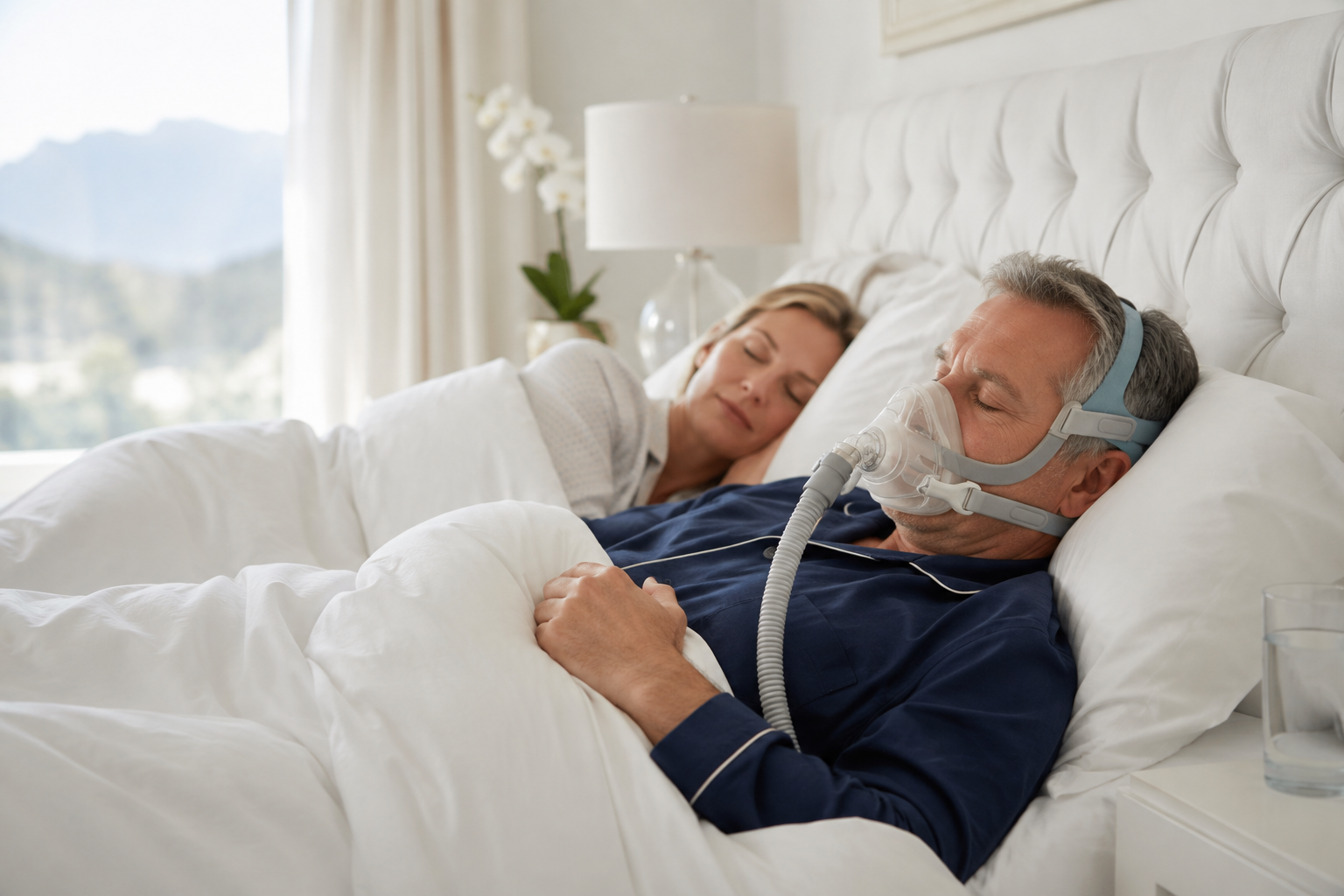
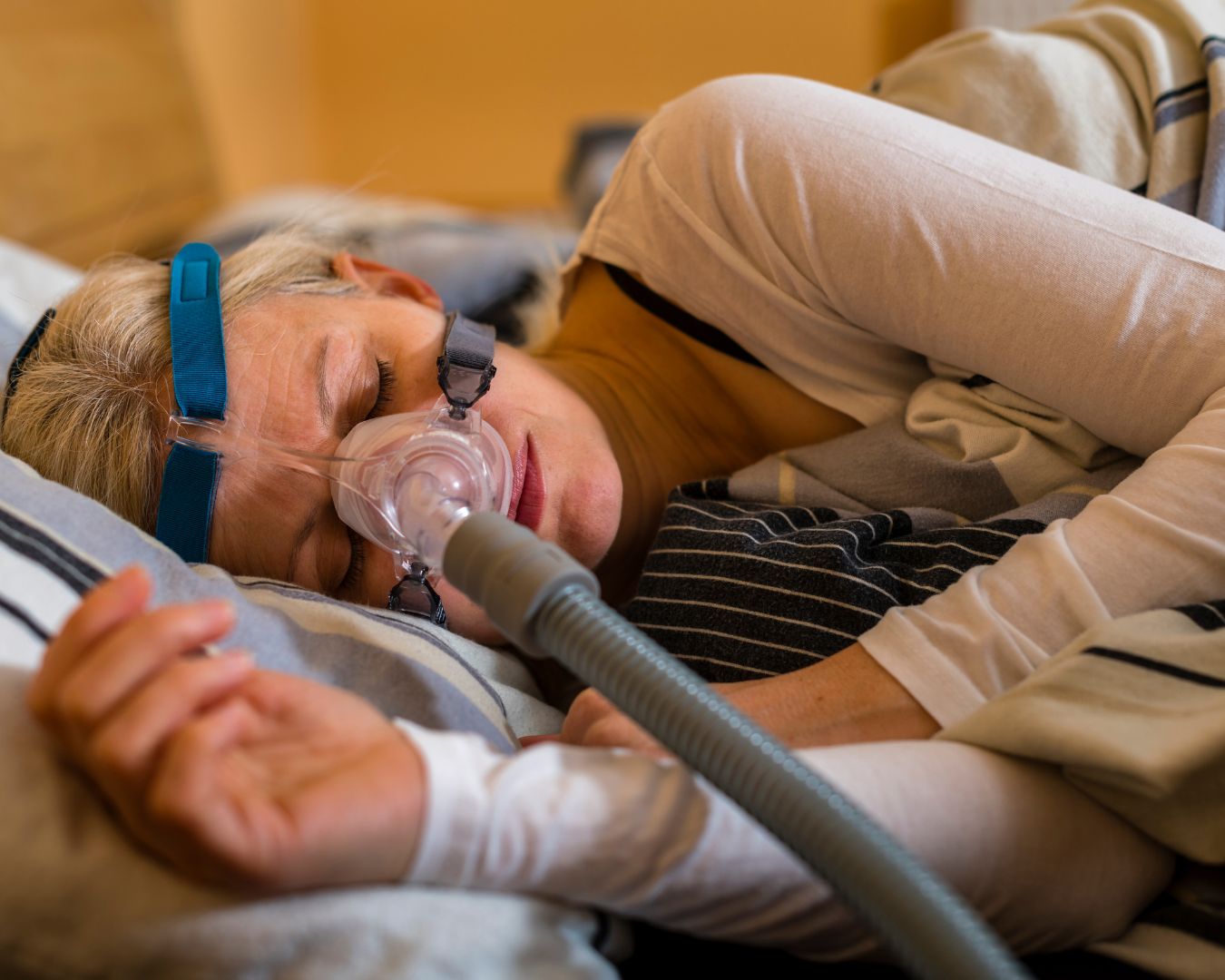
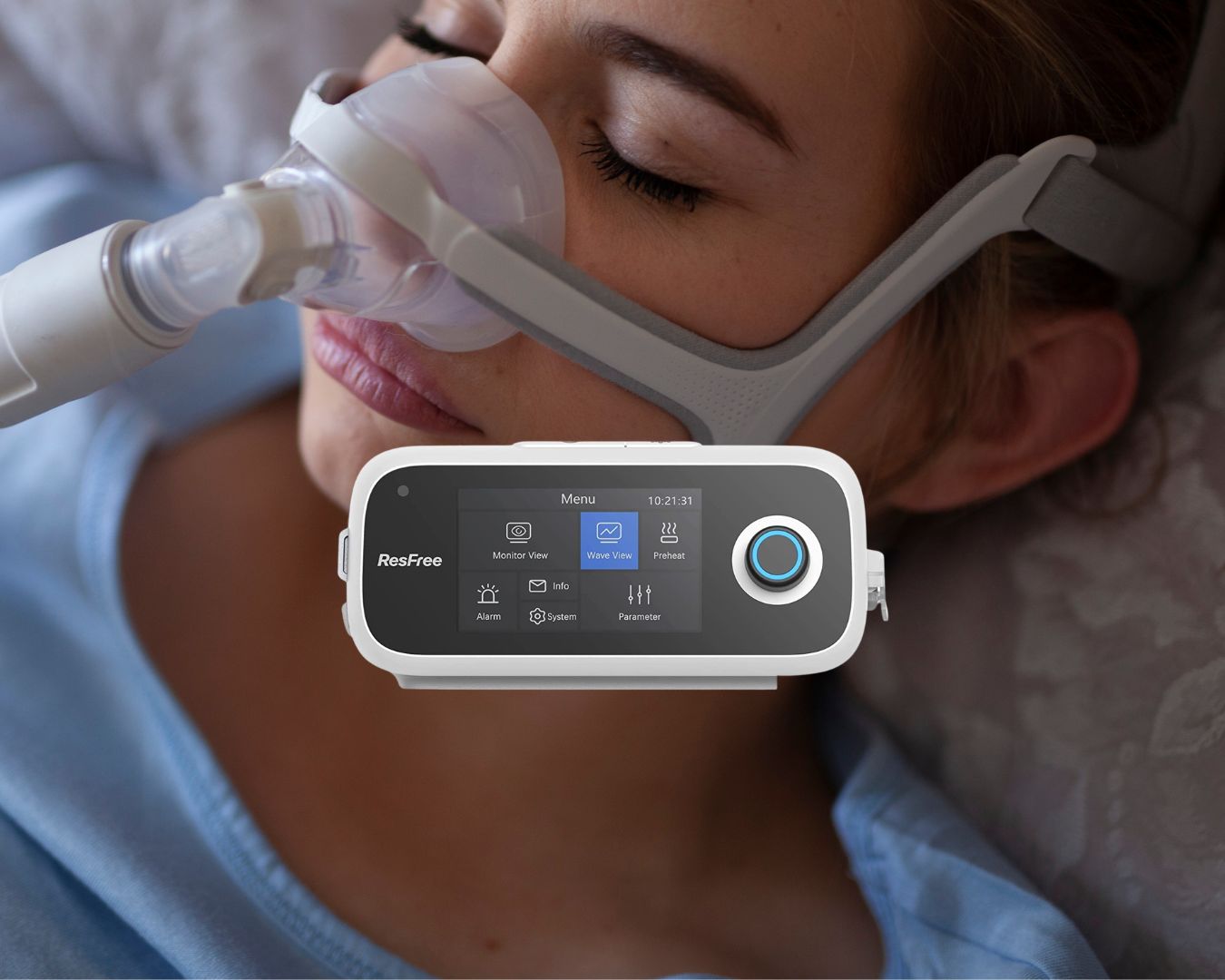
The first danger of a cheap CPAP machine shows up in your health. The second group of dangers shows up over time, in how the machine performs, what happens when it fails, and who is responsible when it does. This article covers those dangers and explains how South African regulation fits in.
The hours of use may be unknown.
A CPAP machine has a motor that runs every night, so the number of hours it has already run matters. A bench study published in the Journal of Clinical Sleep Medicine tested 108 CPAP devices, with a mean use of 956 hours and 22 of them new. The researchers found that the devices were accurate and linear in general.
The same study also found that the spread of the readings widened on devices with high hours of use. Across all devices, the 95 percent agreement limit between programmed and measured pressure ranged from minus 1 to plus 1 cmH2O. For the 50 measurements made on devices with more than 6,000 hours of use, the range was minus 1.3 to plus 2.5 cmH2O. The authors suggested that pressure accuracy be verified when a device is acquired and at least once a year after that.
A buyer of a new machine from a licensed supplier starts at zero hours. A buyer of a used machine from a private seller may not know how many hours the machine has run, and SleepApnea.org lists unknown service history, worn motors and faulty sensors among the risks of used devices.
The warranty may not exist.
The Sleep Foundation lists the lack of a manufacturer warranty among the downsides of used CPAP machines, together with hygiene concerns, deteriorating components and unknown machine history. A machine that stops working after a month leaves the buyer with the cost of a second machine.
Refurbished machines from authorised sellers are a different case. They are examined and cleaned, worn parts are replaced, and they often come with a warranty from the seller.
A recall may never reach you.
Recalls happen in this product category. In June 2021, a global manufacturer recalled certain ventilators, CPAP machines and BiPAP machines because of potential health risks, and the US Food and Drug Administration reported that the recall affected 15 million devices worldwide. In February 2023, the same manufacturer recalled 1,088 reworked CPAP and BiPAP devices after some were assigned incorrect or duplicate serial numbers. The FDA reported that affected machines could deliver the wrong pressure or no therapy at all, and that the user would receive no warning.
Recall notices reach users through a provider. The 2023 notice told users to contact their provider for a pressure reset or a replacement, and to check the serial number of the machine against the numbers in the recall letter. US researchers who studied secondhand CPAP sales online noted that buyers of secondhand machines may go without education on warranty claims and manufacturer recalls. A machine with no provider behind it leaves the buyer to find out about a recall alone.
Why the Supplier Matters
A hospital buys CPAP machines in bulk to equip a ward, and SleepCheck supplies a machine to one person for use at home. That difference in purpose shapes the service that comes with the machine. A home sleep care provider matches the machine and mask to the person who will use it, shows them how to set it up and clean it, and supplies replacement masks, tubing and filters when parts need to be replaced. SleepCheck offers CPAP, APAP and BiPAP machines, masks, accessories and home oxygen equipment, so the machine and the support that keeps it running are found in one place. A bulk purchase serves a building, and a home sleep care provider serves a bedroom.
A cheap machine can look like a bargain on the day you buy it. The dangers take longer to show, so check before you checkout.