Buying a CPAP machine is not simply a matter of choosing a device and taking it home. A CPAP setup can include several components, and understanding what you need can make the buying process easier and help you plan for ongoing replacements and maintenance.
SleepCheck supplies CPAP machines for sale in South Africa, along with masks, tubing, filters, humidification equipment, accessories and replacement parts. As a SAHPRA-licensed and ISO 13485-certified supplier and wholesale distributor of medical devices, SleepCheck supplies CPAP, APAP and BiPAP equipment to individual customers, healthcare providers, medical practices and businesses. Setup, training and medical aid claims assistance are also available.
What Do You Need for a CPAP Setup?
A CPAP machine forms part of a system in which several components work together to deliver the prescribed airflow. The exact equipment supplied can vary between manufacturers and models, so it is important to check what is included with the machine you are purchasing.
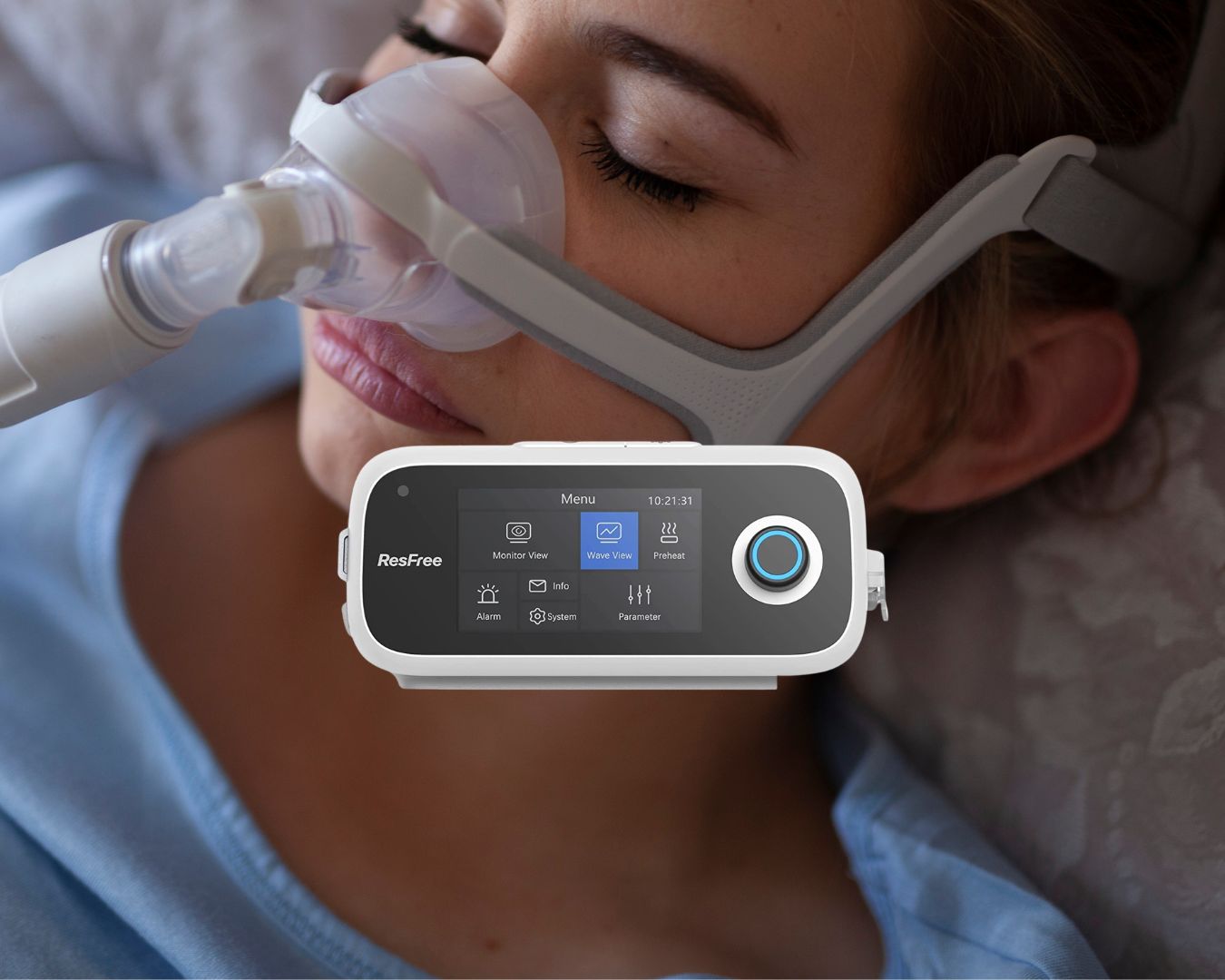
CPAP Machine: The machine generates the airflow required for your prescribed therapy and sends it through the air tubing to the mask. Different machines provide different forms of positive airway pressure, so the appropriate device should be selected according to your treatment requirements.
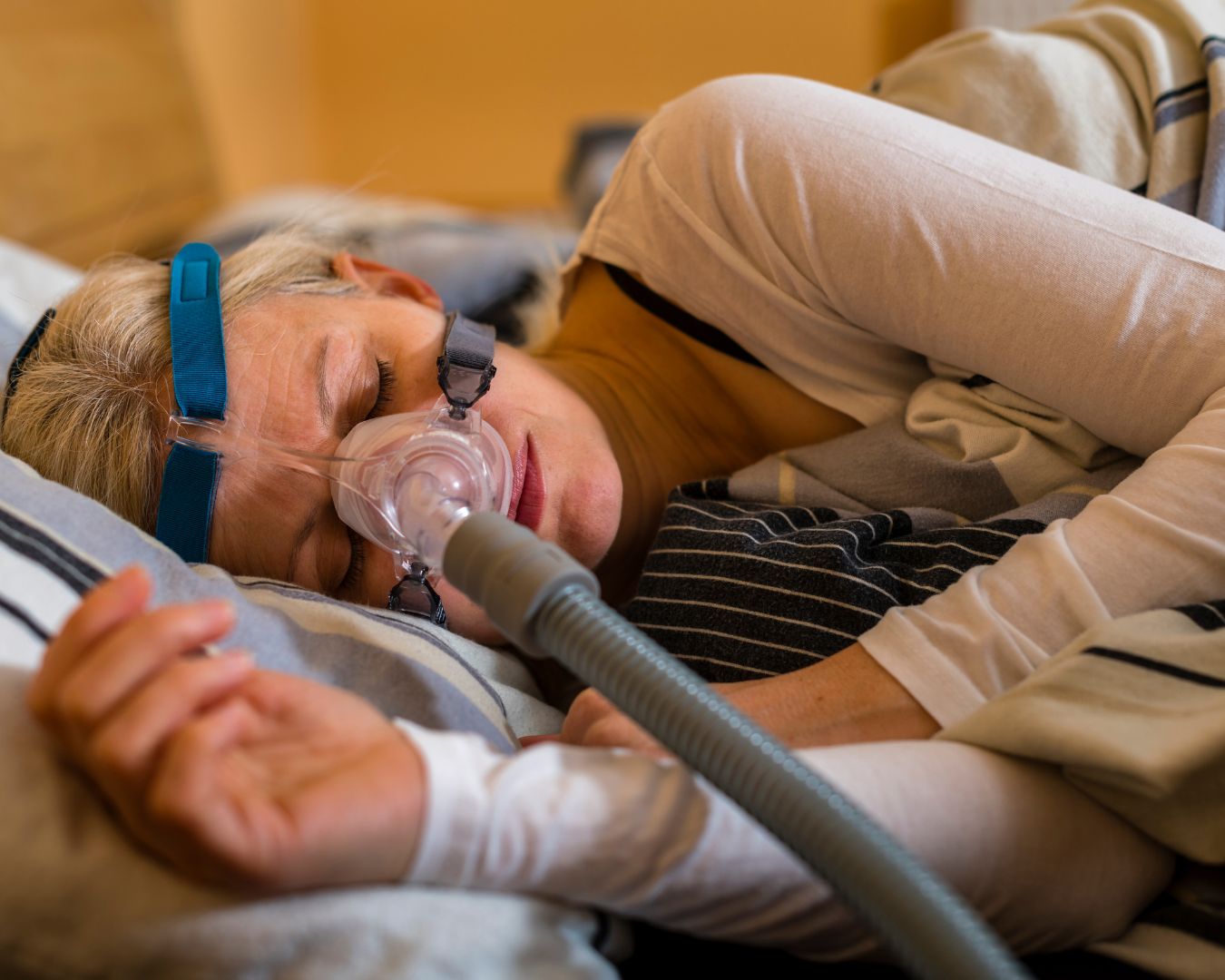
CPAP Mask: The mask creates the connection between the machine and your airway. CPAP masks are available in different designs, including nasal masks, nasal pillow masks and full-face masks. A mask generally consists of several components, including the frame, cushion and headgear. The appropriate mask depends on factors such as your prescribed therapy, facial fit and personal requirements.
Air Tubing: Air tubing carries the airflow from the CPAP machine to the mask. Standard tubing is available for many machines, while some systems can also use heated tubing designed to work with compatible humidification systems.
Filters: CPAP machines use filters to help reduce particles entering the device through the incoming air. Filters are consumable components and should be inspected and replaced according to the manufacturer's instructions.
Power Supply: The CPAP machine also requires the appropriate power supply to operate. Power supplies differ between models, so replacements should be compatible with the specific device.
Humidification: Some CPAP machines can be used with a humidifier that adds moisture to the airflow. Humidification is not required by every user, but it can be useful for people who experience dryness or other discomfort associated with airflow.
What CPAP Accessories Might You Need?
Additional accessories are available for many CPAP systems, although not every user will require them. The right accessories depend on the machine, mask and individual requirements.
Heated Tubing: Heated tubing can be used with compatible humidification systems and helps manage the temperature of the air travelling between the machine and mask.
Humidifier Water Chamber: A humidifier uses a water chamber to supply moisture to the airflow. These chambers are removable on many systems and may eventually need to be replaced due to normal wear or damage.
Travel Bags: A CPAP travel bag can provide a way to transport the machine and its components together. Some CPAP machines are supplied with a travel bag, while others may have compatible bags available separately.
Additional Filters: Keeping replacement filters available means you can replace a filter when it becomes dirty or reaches the replacement point specified by the manufacturer.
Accessories should always be checked for compatibility with the particular CPAP machine and mask system.
Which CPAP Parts Need Replacement?
CPAP equipment includes several components that are subject to regular use and can wear over time. Replacement requirements vary between products, so there is no single schedule that applies to every machine or accessory.
Common replacement items include mask cushions, nasal pillows, headgear, mask frames, air tubing, filters and humidifier water chambers.
Inspecting these components can help identify when replacement may be necessary. Cracks, tears, changes in the material, deterioration, leaks or a change in mask fit can all indicate that a component needs attention.
The manufacturer's instructions should be used as the primary guide for replacement intervals. Medical aid or insurance providers may also have their own requirements for replacement claims.
How Do You Maintain a CPAP Machine?
Regular cleaning and inspection are part of looking after CPAP equipment. The cleaning process varies between products, so the instructions supplied with your machine and mask should always be followed.
The mask cushion comes into contact with your skin and should be cleaned regularly according to the manufacturer's instructions. The frame and headgear also require cleaning, although their recommended cleaning frequency may differ. Use only cleaning methods and products recommended for your particular mask. Some cleaning products can damage mask materials.
Air tubing should be cleaned according to the manufacturer's instructions and allowed to dry completely before it is connected to the machine again. Tubing should also be checked for holes, cracks or other damage that could result in air leakage. If your CPAP system uses a humidifier, the water chamber should be emptied, cleaned and dried according to the manufacturer's instructions. Inspect the chamber regularly and replace it if it becomes cracked, damaged or otherwise unsuitable for continued use.
Filters should be inspected and replaced according to the instructions for your particular machine. Dusty or damaged filters may require replacement sooner than the standard recommended interval.
Regularly check the mask, tubing, humidifier and other components for signs of wear or damage. If something is cracked, leaking or no longer fitting correctly, it may need to be replaced.
CPAP Machines for Sale From SleepCheck
SleepCheck supplies CPAP machines for sale in South Africa, together with the equipment needed to build and maintain a CPAP setup. The range includes CPAP, APAP and BiPAP devices, masks, tubing, filters, humidification equipment, accessories and replacement parts.
SleepCheck is SAHPRA-licensed and ISO 13485-certified, with its operations aligned with a quality management system for medical devices.
As a wholesale distributor, SleepCheck supplies sleep therapy equipment to individual customers, healthcare providers, medical practices and businesses, with setup, training and medical aid claims assistance also available.