Full Face, Nasal and Nasal Pillow Options
The CPAP machine does the work, but the mask is the part you live with every night. A mask that leaks, slips or presses in the wrong place can make therapy hard to stick with, even on the right machine.
There are three main types of CPAP mask: full face, nasal and nasal pillow. The right one depends on how you breathe, how you sleep and the pressure your doctor prescribes.
Once you know how each type works and who it suits, finding a comfortable fit gets a lot easier, and you can face the night with confidence.
The Three Types of CPAP Mask
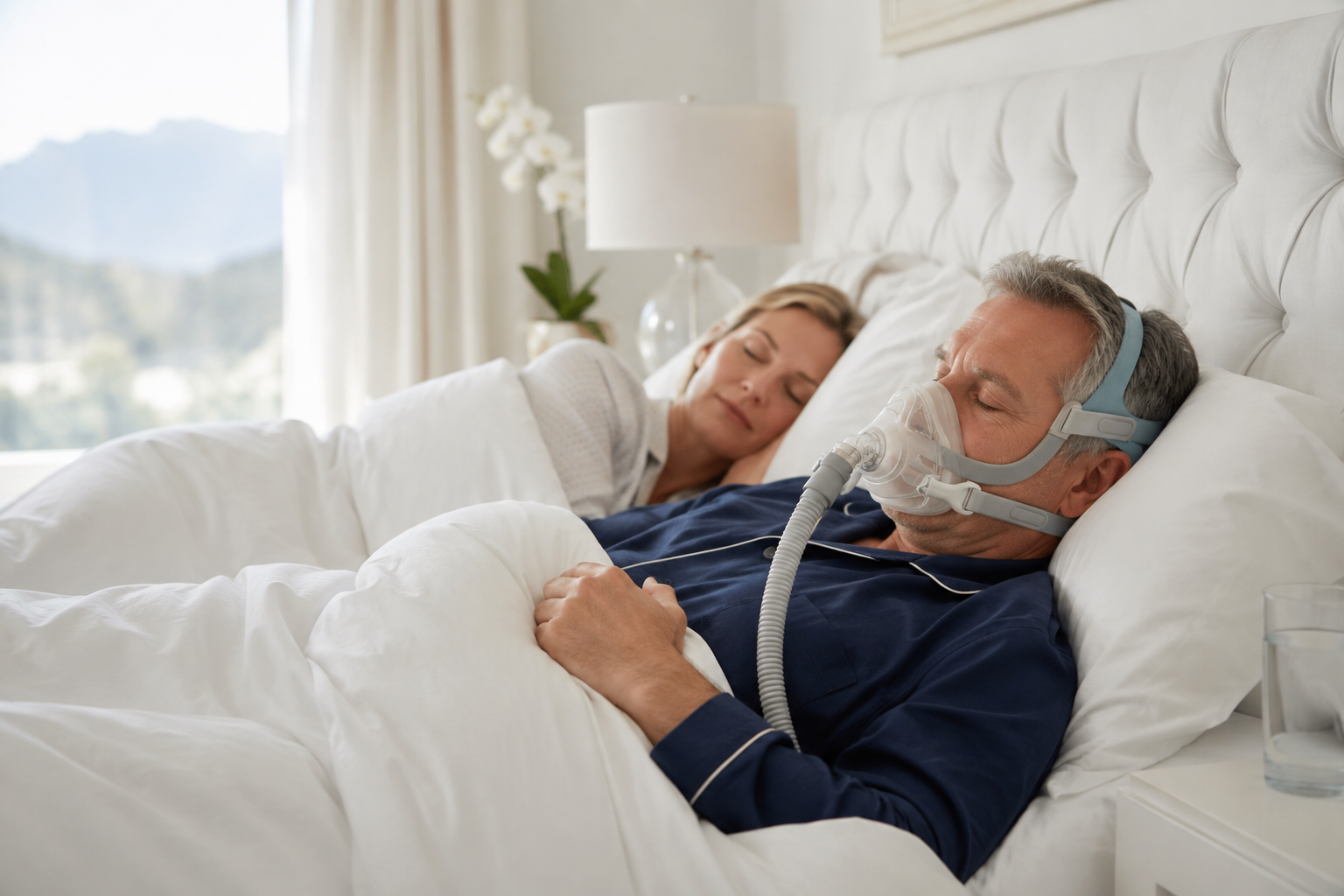
Full Face Masks: A full face mask fits over the nose and mouth and seals against the lower half of the face. It suits people who breathe through their mouth. It also helps with nasal congestion, and some users switch to a full face mask only when they have a cold or allergies.
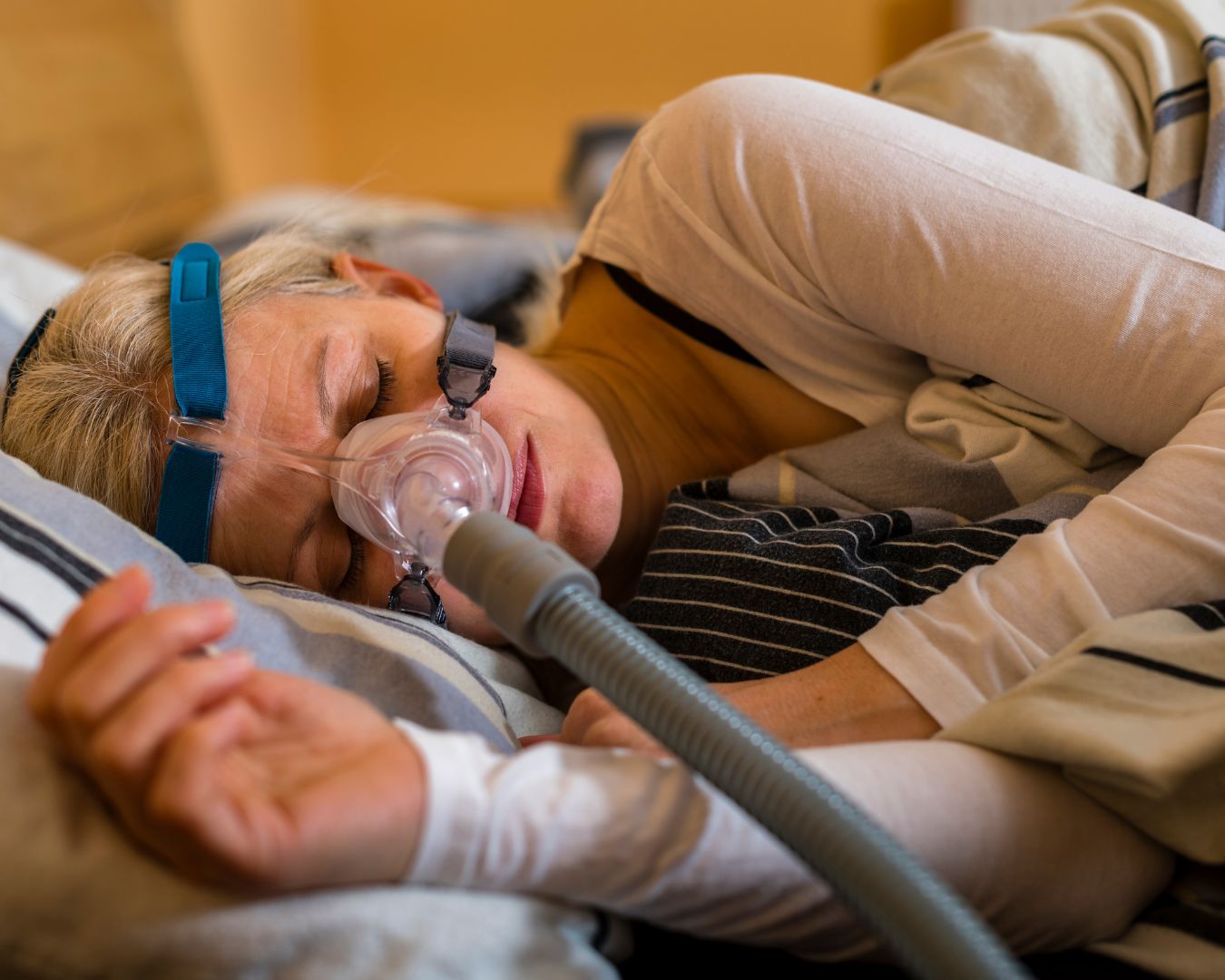
Nasal Masks: A nasal mask covers the nose with a silicone cushion. It sits between the minimal contact of nasal pillows and the full coverage of a full face mask, and it suits nose breathers on moderate to higher pressure settings. People who open their mouth at night can pair it with a chin strap.
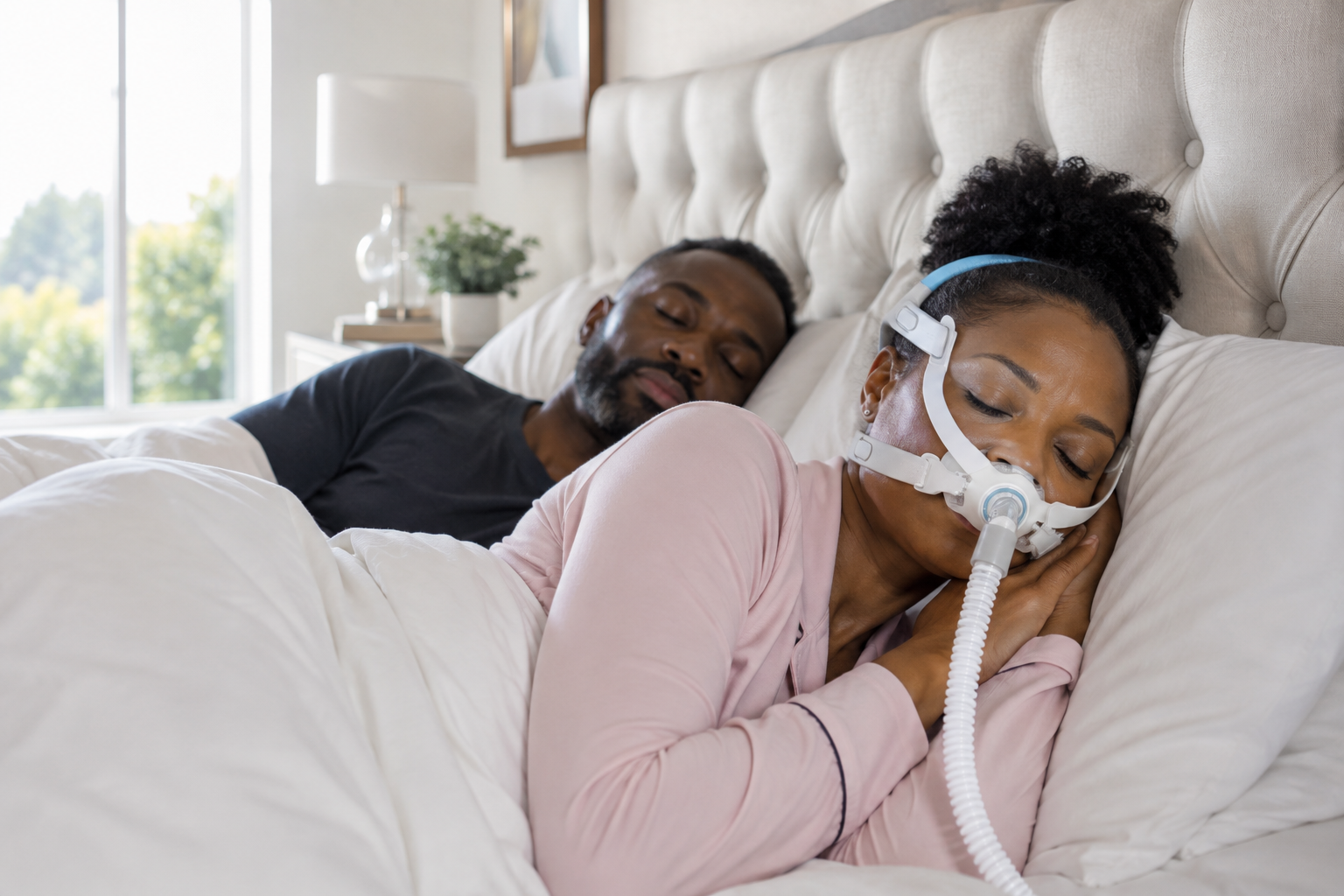
Nasal Pillow Masks: Nasal pillows sit at the nostrils and leave most of the face clear. They suit nose breathers who want the least coverage. At higher pressures, nasal pillows can feel forceful and dry out the nostrils, so people on strong pressure often do better with a nasal or full face mask.
The EaseFit Mask Range Compared
The EaseFit range covers all three mask types, and every model comes in sizes S, M and L. The EaseFit FMIIP is the full face mask in the range. It has no forehead support, so more of your view stays clear, and it uses a double layer of silicone where it touches the skin. It runs at below 28 decibels.
The EaseFit PMI is the nasal pillow mask. Its connector turns all the way around, so the tube can follow you when you change sleeping position, and it runs at about 25 decibels.
The EaseFit NM5A and NM6A are the two nasal masks. Both are frameless, which keeps the area around your eyes clear for reading or watching TV before bed.
The two nasal masks share the same cushion, which is designed to reduce pressure on the bridge of the nose. The NM5A uses a quick-release connector, while the NM6A uses a swivel joint with a short built-in hose, which helps people who turn often during the night.
Getting the Fit Right
A mask can be the right type and still leak if it is fitted the wrong way. Start with the smallest size that fits without pinching.
Fit the mask lying down in your usual sleep position, because the face changes shape when you lie down. Then switch the machine on and move between positions to check for leaks.
Tighter is not better. Over-tightening the straps can bend the cushion out of shape and cause more leaks, so the mask should feel snug but not painful. Red marks or skin bulging around the cushion are signs to loosen the headgear.
Cushions also wear down over time and stop sealing as well, so replace them as recommended.
Why a CPAP Specialist Helps With Mask Fitting
SleepCheck focuses only on CPAP and sleep apnea therapy, so our team fits masks every day and knows how each type behaves at different pressures. General medical suppliers sell a wide range of equipment, often without staff trained in CPAP therapy.
The support continues after the sale with installation, follow-up and compliance monitoring, so a leaking or uncomfortable mask is picked up early. The mask is only half the setup, so if you are still deciding on a machine, read our guide on the difference between CPAP, APAP and BiPAP machines. SleepCheck also supplies medical businesses in South Africa at reseller prices.
Frequently Asked Questions
Can Mouth Breathers Use a Nasal Mask?
Yes, with a chin strap. A chin strap goes over the head and under the chin to keep the mouth closed at night. Otherwise, a full face mask is the simpler choice.
Which Mask Suits Stomach Sleepers?
Most people can only sleep on their stomach with a nasal pillow mask, because it has the smallest profile.